

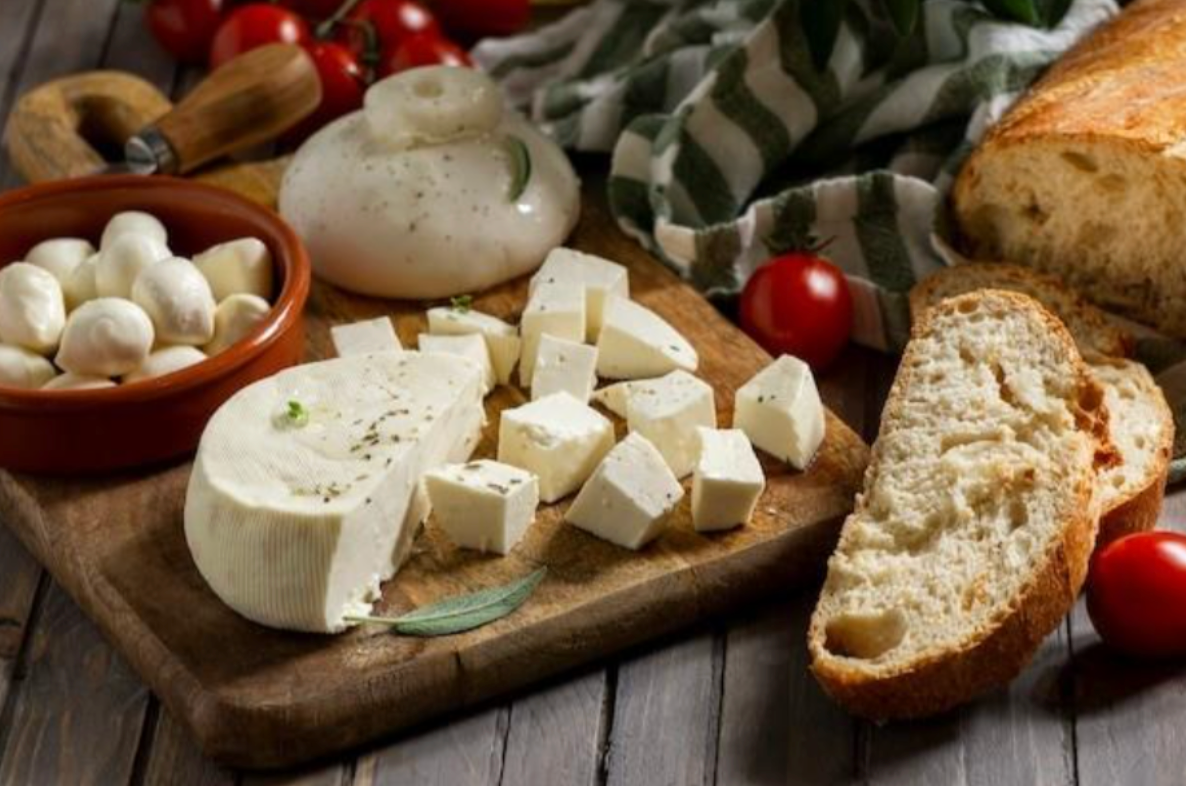
Gout is a painful form of arthritis that affects millions of people worldwide. It develops when uric acid builds up in the body and forms sharp crystals in the joints, leading to inflammation, swelling, and intense pain. Because diet plays a major role in managing gout, many people wonder whether certain foods can trigger flare-ups. One common question is: is cheese bad for gout?
Cheese is a popular dairy product enjoyed in countless meals and snacks. While some foods are known to increase uric acid levels, the relationship between cheese and gout is often misunderstood. The good news is that most types of cheese are not considered major gout triggers. In fact, some dairy products may even support better gout management when consumed as part of a balanced diet.
This article explores how cheese affects gout, the connection between dairy and uric acid, and how to make smart dietary choices to reduce the risk of painful gout attacks.
Understanding Gout and Uric Acid
Gout occurs when the body either produces too much uric acid or cannot remove enough of it through the kidneys. Uric acid is created when the body breaks down substances called purines. These compounds are naturally found in the body and in many foods.
When uric acid levels become too high, crystals can form in the joints. This often causes sudden episodes of severe pain, redness, warmth, and swelling, especially in the big toe, ankles, knees, and feet.
Foods high in purines, such as organ meats, red meat, shellfish, and certain fish, are commonly linked to increased gout risk. However, dairy products like cheese contain very low amounts of purines, making them different from many other animal-based foods.
Is Cheese Bad for Gout?
The simple answer is no, cheese is generally not bad for gout. Most cheeses are naturally low in purines, which means they do not significantly contribute to elevated uric acid levels.
Research has shown that low-fat dairy products may actually help reduce uric acid concentrations in the bloodstream. While cheese should still be eaten in moderation, it is not considered a major trigger for gout attacks in most individuals.
Unlike foods such as liver, sardines, or processed meats, cheese does not contain the high purine content that typically raises concerns for people managing gout.
How Dairy Products Affect Gout
Dairy products have been studied extensively in relation to gout prevention and management. Scientists have found that certain dairy proteins may encourage the body to excrete more uric acid through urine.
This effect can help maintain healthier uric acid levels over time. As a result, many healthcare professionals recommend moderate consumption of low-fat dairy products as part of a gout-friendly diet.
Milk, yogurt, and some cheeses may offer nutritional benefits without significantly increasing the risk of flare-ups. They also provide valuable nutrients such as calcium, protein, phosphorus, and vitamin B12.
Low-Fat Cheese vs. Full-Fat Cheese
While cheese itself is not a high-purine food, choosing lower-fat varieties may be a healthier option for overall wellness. Excess body weight is a known risk factor for gout, and consuming too many high-calorie foods can make weight management more difficult.
Low-fat cheese options can provide the same protein and calcium benefits while reducing saturated fat intake. This may support better heart health and help individuals maintain a healthy weight, which can indirectly reduce gout risk.
Best Cheese Choices for People With Gout
Most common cheeses can fit into a gout-conscious eating plan when eaten in reasonable amounts. Cottage cheese, mozzarella, ricotta, and reduced-fat cheddar are often considered suitable choices.
These cheeses are relatively low in purines and can be incorporated into balanced meals. Pairing cheese with vegetables, whole grains, and other nutrient-dense foods can further support overall health.
Portion control remains important. Eating excessive amounts of any high-calorie food may contribute to weight gain, which can increase the likelihood of gout attacks.
Foods That Are More Likely to Trigger Gout
When discussing gout management, it is important to focus on foods that are known to raise uric acid levels rather than worrying excessively about cheese.
High-purine foods remain the primary dietary concern. These include red meat, organ meats, certain seafood varieties, and some processed meat products. Sugary beverages, especially those containing high-fructose corn syrup, may also contribute to elevated uric acid production.
Alcohol consumption, particularly beer and spirits, has also been linked to increased gout risk. Reducing these foods and drinks often has a greater impact on gout management than limiting cheese.
Can Cheese Help With Gout Management?
Although cheese is not a treatment for gout, it may play a positive role in a balanced dietary plan. Dairy proteins can support healthy uric acid regulation, and cheese provides valuable nutrients that contribute to overall well-being.
People who replace high-purine protein sources with moderate amounts of dairy products may find it easier to maintain healthier uric acid levels. This dietary adjustment can be especially beneficial when combined with regular exercise, proper hydration, and medical guidance.
The Importance of a Balanced Diet
Managing gout successfully requires a comprehensive approach. No single food determines whether a person will experience gout attacks.
A diet rich in fruits, vegetables, whole grains, lean proteins, and low-fat dairy products can help support healthy uric acid levels. Drinking plenty of water is also important because hydration helps the kidneys remove excess uric acid from the body.
Healthy lifestyle habits often provide greater benefits than focusing on individual foods alone.
Common Myths About Cheese and Gout
Many people assume that all animal-based foods worsen gout. This misconception can lead to unnecessary dietary restrictions.
Cheese differs significantly from high-purine meats and seafood. Its low purine content makes it a much safer choice for individuals with gout. Another common myth is that all dairy products increase inflammation. Current evidence does not support this claim for most people.
In fact, low-fat dairy products are frequently included in dietary recommendations for gout prevention and management.
FAQs
Can I eat cheese during a gout flare-up?
Yes, most cheeses are low in purines and are generally safe to eat during a gout flare-up.
Does cheddar cheese increase uric acid?
Cheddar cheese contains very little purine and is unlikely to significantly raise uric acid levels.
Is mozzarella cheese good for gout?
Mozzarella is considered a low-purine cheese and can be included in a gout-friendly diet.
Should people with gout avoid all dairy products?
No. Many dairy products, especially low-fat options, may actually support healthy uric acid management.
What is the best dairy food for gout?
Low-fat milk and yogurt are often recommended, but moderate amounts of low-purine cheese can also be part of a healthy diet.
Conclusion
Cheese is generally not bad for gout and is unlikely to trigger gout attacks because it contains very low levels of purines. In moderation, cheese can be part of a balanced, gout-friendly diet that supports overall health. Rather than eliminating cheese, it is often more beneficial to focus on limiting high-purine foods, maintaining a healthy weight, staying hydrated, and following a long-term dietary plan that helps keep uric acid levels under control.
